Navigating the Australian kids’ bike market requires understanding wheel sizes, height guidelines, and inseam measurements for a safe, comfortable ride.
Finding the perfect fit ensures confidence and enjoyment for young cyclists, promoting a lifelong love of biking within the Australian landscape.
Why Proper Bike Fit Matters
A correctly sized bike is paramount for a child’s safety, control, and overall enjoyment. An ill-fitting bike can lead to instability, increasing the risk of falls and injuries. When a bike is too large, children struggle to reach the pedals and handlebars, hindering their ability to brake effectively and steer confidently. Conversely, a bike that’s too small restricts movement and can cause discomfort, discouraging frequent riding.
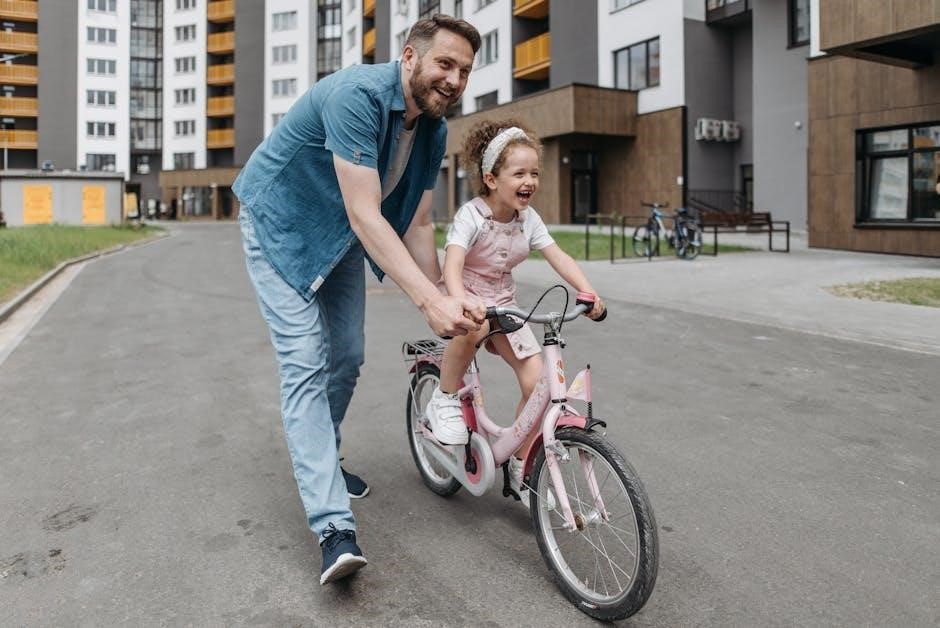
Proper fit fosters confidence, allowing children to develop essential cycling skills without unnecessary frustration. It promotes correct posture, reducing strain on developing bodies. Considering a child’s experience level is also crucial; beginners benefit from a slightly smaller bike to build confidence, while more experienced riders might manage a size closer to their maximum height range. Ultimately, a well-fitted bike empowers children to explore and enjoy the freedom of cycling safely.
Australian Standards and Considerations
Australia doesn’t have specific, legally mandated standards for children’s bike sizing, but retailers generally align with international safety guidelines. However, Australian conditions – varied terrain and longer distances – necessitate careful consideration. Prioritizing a bike that allows a child to comfortably and confidently control the vehicle is key.
Local bike shops often provide expert fitting advice, taking into account the child’s individual proportions and riding style. It’s important to remember that height charts are guides, not definitive rules. Factors like limb length and coordination play a significant role. Australian parents should also factor in potential growth spurts when selecting a size, opting for a slightly larger frame if the child is nearing the upper end of a size range; Prioritizing safety and comfort is paramount for fostering a positive cycling experience.
Understanding Wheel Sizes
Kids’ bikes are primarily categorized by wheel diameter, ranging from 12 to 26 inches, influencing bike size and rider suitability for Australian terrain.
12-inch Wheels: First Bikes & Toddlers
Twelve-inch wheel bikes are typically the first introduction to cycling for toddlers, generally suited for children aged 2-4 years old. These bikes are designed to be lightweight and easy to handle, fostering early balance and coordination skills. They often feature coaster brakes – backpedal braking – which are simpler for young children to operate.
Focus is on simplicity and building confidence; many 12-inch bikes include removable training wheels to aid the learning process. A typical inseam range for a 12-inch bike is around 30-40cm, but height is also a factor. Choosing a bike that allows the child to comfortably stand over the frame with both feet flat on the ground is crucial for safety and control. These bikes are perfect for paved surfaces and gentle paths, providing a fantastic foundation for future cycling adventures across Australia.
14-inch Wheels: Transitioning Riders
Fourteen-inch wheel bikes bridge the gap between the very first bikes and more independent cycling. Typically suited for children aged 3-5 years, with an inseam of approximately 40-45cm, these bikes offer a slightly more advanced riding experience. They often retain coaster brakes for simplicity, but some models introduce hand brakes alongside, preparing children for future bike control.
This stage is about building confidence and transitioning away from training wheels. The slightly larger wheel size allows for a bit more speed and distance, encouraging further development of balance and coordination. Look for lightweight frames and adjustable seat heights to ensure a comfortable and safe fit. These bikes are ideal for exploring local parks and bike paths, providing a fun and engaging way for young riders to progress their skills within the Australian environment.
16-inch Wheels: Building Confidence
Sixteen-inch wheel bikes are a pivotal step in a child’s cycling journey, generally fitting children aged 4-6 years with an inseam around 45-50cm. These bikes significantly boost confidence as children gain greater control and independence. A key feature at this stage is the introduction of hand brakes, often alongside a coaster brake, teaching essential braking skills for safe riding.
Focus should be on developing proper braking technique and steering control. Lighter frames continue to be important, allowing for easier maneuverability. This wheel size is perfect for navigating slightly more challenging terrains, like gravel paths or gentle hills, fostering a sense of adventure. Choosing a bike with adjustable components ensures a comfortable fit and accommodates growth spurts, crucial for Australian kids enjoying outdoor activities.
20-inch Wheels: Increased Independence

Transitioning to a 20-inch wheel bike, typically suited for children aged 6-8 years (around 50-57cm inseam), marks a significant leap towards independent cycling. These bikes often feature multi-speed gears, introducing the concept of adapting to varying terrains and building stamina. Hand brakes become standard, reinforcing safe braking habits and providing greater control for navigating Australian bike paths and parks.
At this stage, focus shifts to developing gear-shifting skills and understanding road positioning. A well-fitted 20-inch bike empowers children to explore further afield with increased confidence. Consider bikes with suspension forks for added comfort on rougher surfaces. Prioritizing a lightweight frame remains vital, ensuring easy handling and maneuverability as they build their cycling prowess and enjoy outdoor adventures.
24-inch Wheels: Approaching Adult Bikes
The 24-inch wheel size represents a crucial step towards adult bicycles, generally fitting children aged 8-11 years (approximately 57-63cm inseam). These bikes closely resemble adult models, boasting more sophisticated gearing systems – often with wider gear ranges – enabling tackling diverse Australian landscapes, from gentle coastal paths to moderate inclines. Expect to find more robust frames and components designed for increased durability.
Focus now extends to refining cycling technique, including efficient gear usage and developing advanced braking skills. Proper bike fit is paramount, allowing for comfortable long-distance riding and preventing strain. Consider models with adjustable components to accommodate growth spurts. This stage fosters a sense of independence and prepares young riders for the transition to full-sized adult bikes, encouraging continued cycling enjoyment.
26-inch Wheels: For Older Children & Teens
At 26-inch wheels, bikes bridge the gap between childhood and adulthood, typically suiting riders aged 11-14+ (around 64cm+ inseam). These bikes often mirror adult mountain bike or hybrid designs, offering advanced features like suspension forks for enhanced comfort and control on varied Australian terrain. Expect to see more complex drivetrain options, including multiple gears for tackling challenging hills and longer distances.
This stage emphasizes developing cycling proficiency and exploring different riding styles. Prioritize a precise fit, considering the rider’s limb proportions and experience level. Safety features, like reliable brakes and reflective elements, are crucial. 26-inch bikes provide a solid foundation for transitioning to full-adult sized bikes, fostering confidence and encouraging continued participation in cycling activities throughout adolescence and beyond.

Using Height as a Guide
Height serves as a preliminary indicator, though limb proportions and experience matter; Australian charts link height to wheel size, offering a starting point for selection.
Height-Based Bike Size Chart (Australian Context)
Here’s a general guide, remembering individual variations exist. These measurements are approximate and should be combined with inseam checks for optimal fit. Always prioritize a test ride when possible.
- 12-inch Wheels: 85-100cm
- 14-inch Wheels: 95-110cm
- 16-inch Wheels: 105-120cm
- 20-inch Wheels: 120-135cm
- 24-inch Wheels: 135-150cm
- 26-inch Wheels: 150cm+ (often transitioning to small adult frames)
If a child falls between sizes, consider their experience level. Less confident riders benefit from a slightly smaller bike for easier handling. Those closer to the upper height limit may benefit from sizing up, allowing room for growth. Remember, this chart is a guide; professional fitting is recommended for precise sizing, especially as children grow rapidly.

Gender Differences in Bike Sizing
Traditionally, bike sizing charts often differentiated between boys and girls, but modern approaches increasingly emphasize individual body proportions over gender. While anatomical differences exist, they don’t always necessitate separate sizing. Historically, girls’ bikes featured lower top tubes for easier mounting, but this is becoming less common.
Currently, many manufacturers offer unisex bike models with adjustable seat heights and handlebar positions to accommodate various body types. Focus on inseam measurement and overall reach to the handlebars, rather than strictly adhering to gender-specific charts. A comfortable reach and standover height are crucial for both boys and girls. Prioritize fit based on individual measurements and riding style, ensuring confidence and control.
Inseam Measurement for Accurate Fit
Precise inseam measurement is vital for selecting the correct bike size, offering a more reliable fit than height alone, especially considering Australian standards and growth.
How to Measure Your Child’s Inseam
Accurately measuring your child’s inseam is crucial for determining the most appropriate bike size. Have your child stand with their back against a wall, wearing the shoes they’d typically wear while cycling. Place a book between their legs, mimicking a bicycle seat.
Ensure the book is pressed firmly upwards, as if they were sitting on a saddle. Measure from the top of the book (where it contacts the crotch) to the floor. This measurement, in centimeters or inches, represents their inseam. Repeat the process a couple of times to ensure accuracy.
It’s best to have another adult assist with this measurement to guarantee a precise reading. Remember to keep your child relaxed and standing straight for the most reliable result, contributing to a safer and more comfortable cycling experience in Australia.
Inseam vs. Height: Which is More Reliable?
While height charts offer a convenient starting point, inseam measurement provides a significantly more reliable indicator of proper bike fit, especially for children. Height alone doesn’t account for individual limb proportions – some children have longer legs relative to their torso, and vice versa.
Relying solely on height can lead to selecting a bike that’s either too small, hindering control, or too large, causing difficulty reaching the pedals and handlebars. Inseam directly correlates to the distance between the saddle and pedals, a critical aspect of comfortable and efficient cycling.
Therefore, prioritize inseam measurement when choosing a bike in Australia. Use height as a secondary guide, but always confirm suitability with the inseam measurement to ensure a safe and enjoyable riding experience for your child.
Beyond Measurements: Other Factors
Consider your child’s coordination, experience level, and potential growth spurts when selecting a bike; limb proportions also play a crucial role in optimal fit.
Child’s Experience Level & Coordination
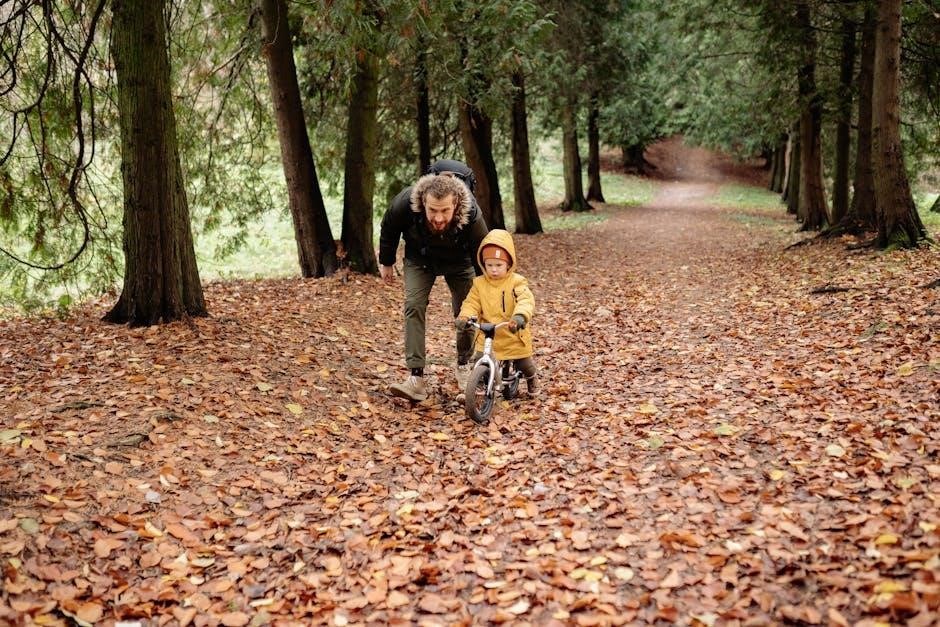
A child’s prior biking experience significantly impacts the ideal bike size. Beginners often benefit from a slightly smaller bike, fostering greater control and confidence as they learn to balance and pedal. This allows for easier maneuvering and reduces intimidation. More experienced young riders, possessing better coordination and balance, might comfortably handle a bike towards the upper end of their size range, or even size up slightly.
Coordination levels vary greatly among children of the same age and height. A child with excellent coordination may be able to manage a larger frame and longer reach, while a less coordinated child will feel more secure on a smaller, more manageable bike. Observing their comfort level and ability to confidently start, stop, and steer is paramount. Don’t solely rely on charts; prioritize a bike that feels right for them, building a positive early cycling experience.
Considering Limb Proportions
Standard height-based bike size charts are excellent starting points, but they don’t account for individual limb proportions. Children, like adults, have varying leg-to-torso ratios. A child with longer legs relative to their torso might comfortably ride a slightly larger bike than the chart suggests, while a child with shorter legs may need a smaller frame.
Specifically, inseam measurement is crucial, but even that doesn’t tell the whole story. Arm length also plays a role, impacting reach to the handlebars. If a child is stretching excessively to reach the controls, the bike is likely too large. Conversely, if they appear cramped, a smaller size is preferable. Prioritizing a comfortable reach and proper leg extension over strict adherence to height charts ensures a safer and more enjoyable riding experience, tailored to their unique body type.
Allowing for Growth Spurts
Australian children experience growth spurts, making bike sizing a dynamic process. Purchasing a bike that’s precisely the right size today might be too small within six months. When a child falls between sizes, it’s generally advisable to size up, particularly if they are nearing the maximum height range for the current size.
However, avoid going too large, as this compromises control and safety. A slight amount of room to grow is ideal, allowing for adjustment via seat height and handlebar reach. Regularly checking the fit – every few months – is essential. Prioritizing a comfortable and controlled riding position, even with a little room to grow, is better than a bike that’s immediately too big, ensuring continued confidence and enjoyment as they develop.
Where to Buy & Get Professional Fitting
Australian bike shops offer expert fitting services, while online retailers provide detailed size guides; in-store trials remain the best method for optimal fit.
Bike Shops with Fitting Services in Australia
Locating bike shops offering professional fitting services is crucial for ensuring your child receives the most accurate bike size recommendation. Many independent bike stores across Australia prioritize a personalized approach, allowing children to test ride various models under the guidance of experienced staff. These professionals assess not only height and inseam but also consider the child’s coordination, experience level, and overall comfort on the bike.
Major retailers like 99 Bikes and Trek Bicycle Stores often provide fitting services, though availability can vary by location. Smaller, locally-owned shops frequently excel in this area, dedicating time to properly fit each child. Before visiting, it’s advisable to call ahead and confirm fitting availability and any associated costs. A proper fitting goes beyond simply selecting a size; it involves adjusting components like seat height and handlebar reach for optimal safety and control, fostering a positive cycling experience.
Online Retailers with Size Guides
Numerous Australian online retailers offer comprehensive kids’ bike size guides to assist parents in selecting the appropriate bike. Websites like BikesOnline and Cycling Deals provide detailed charts correlating height, age, and wheel size, offering a convenient starting point for your search. These guides often include inseam recommendations and considerations for a child’s experience level.
However, it’s vital to remember that online guides are approximations. Retailers frequently advise using these charts as a general reference and encourage customers to cross-reference with inseam measurements for greater accuracy. Many online stores offer detailed product descriptions including geometry information and size recommendations. While convenient, online purchases lack the benefit of a professional in-person fitting, so careful measurement and consideration are paramount. Always check return policies before purchasing to ensure flexibility if sizing adjustments are needed.
Safety Considerations & Accessories
Prioritizing safety, always ensure a properly fitted helmet accompanies the bike, alongside other protective gear like knee and elbow pads for confident riding.
Importance of Helmets & Protective Gear
A correctly fitted helmet is non-negotiable when a child is riding a bike, significantly reducing the risk of head injuries in case of a fall. Australian standards require helmets to meet specific safety certifications, ensuring optimal protection. Beyond helmets, consider knee and elbow pads, especially for beginner riders or those tackling varied terrain. Gloves can also offer valuable protection for hands during spills.
Regularly check the helmet’s fit as your child grows; it should sit level on the head, covering the forehead, and have a snug but comfortable fit. Protective gear isn’t just for crashes; it builds confidence, allowing children to explore and enjoy cycling without undue fear. Prioritizing these safety measures fosters responsible riding habits from a young age, contributing to a lifetime of safe cycling experiences within the Australian environment.
Adjusting the Bike for Optimal Safety
Beyond the initial size selection, proper bike adjustment is crucial for safety. Ensure the seat height allows your child to comfortably place their feet flat on the ground while seated, or with a slight bend in the knee for more experienced riders. Brake levers should be easily reachable and operable by small hands; adjustments or shorter-reach levers may be necessary.
Check handlebar height and reach to promote a comfortable, upright riding position, avoiding strain on the back and arms. Regularly inspect all bolts and fasteners to ensure they are tightened securely. Teach your child basic bike maintenance, like checking tire pressure. A well-adjusted bike enhances control, stability, and confidence, minimizing risks and maximizing enjoyment on Australian paths and trails. Prioritizing these adjustments contributes to a safer and more positive cycling experience.