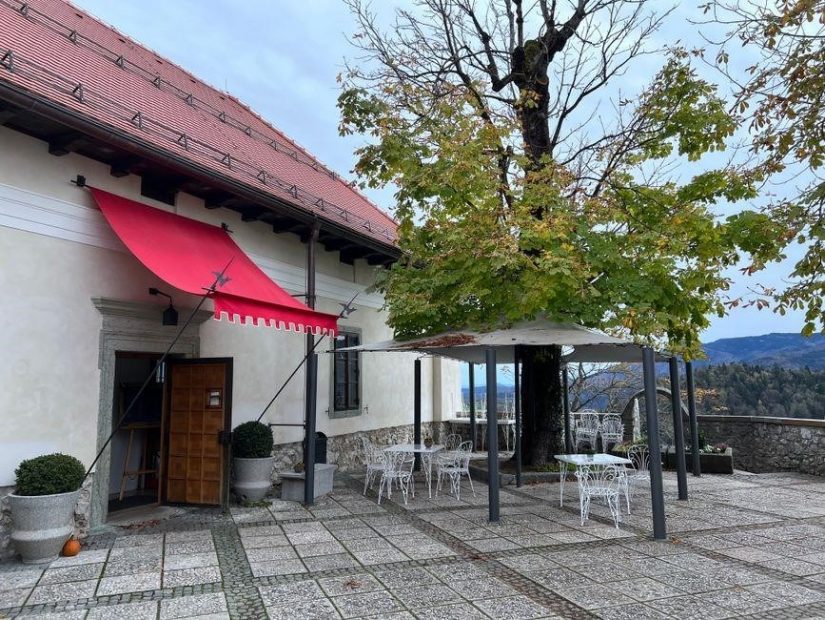
Definition and Function of Retractable Manual Awnings
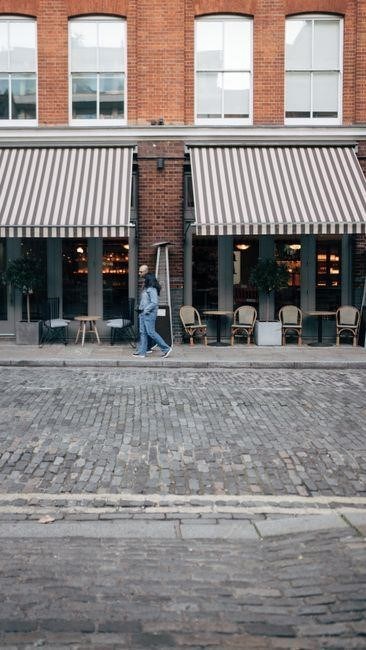
Retractable manual awnings are hinged fabric panels that slide over a frame, offering adjustable shade. They rely on a pull‑cord or lever to extend or retract, providing instant protection from sun and rain while maintaining aesthetic harmony with the building. Ideal for patios and storefronts and!
Basic Mechanism and Operation
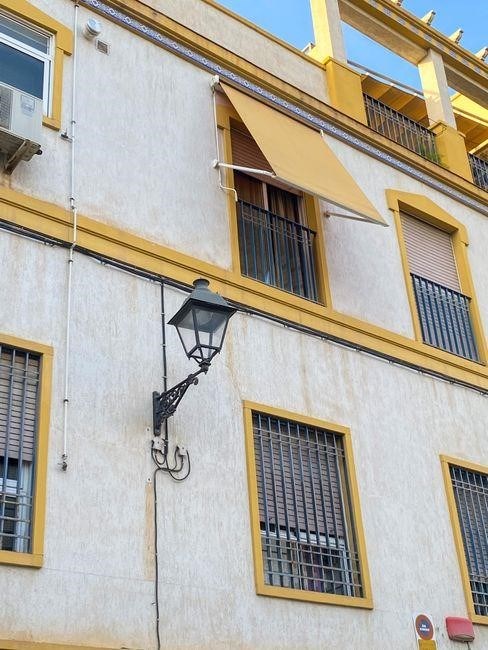
Retractable manual awnings function through a simple yet robust mechanical system that couples a fabric canopy to a rigid frame. The frame, typically aluminum or steel, is mounted to a wall or roof and features a series of rollers or tracks that guide the canopy as it slides. The canopy itself is usually made from UV‑resistant polyester or canvas, stitched to a reinforced hem that prevents fraying. At the base of the frame, a pull‑cord or lever is attached to a winch or pulley system. When the user pulls the cord, the winch rotates, winding the canopy onto the frame and extending the shade. Releasing the cord allows the canopy to retract by gravity or a counterweight, depending on the design. The entire operation is manual, requiring only a few seconds of effort, yet it can cover areas ranging from a few square meters to over a hundred. The system is designed for durability; the rollers are often coated with PTFE to reduce friction, and the fabric is treated with a silicone primer to resist mildew. Additionally, many models include a locking mechanism that holds the canopy in place once extended, preventing accidental collapse during windy conditions. The simplicity of this mechanism allows homeowners to control shade precisely, improving energy efficiency by reducing heat gain in the summer and protecting outdoor furniture from the elements.
Because the system is hand‑powered, it eliminates electrical costs and offers quiet operation, making it ideal for commercial settings. The pull‑cord gives tactile feedback and control day today now.
Distinction from Motorized Systems
Manual retractable awnings differ from their motorized counterparts in several key respects that influence cost, maintenance, and user experience. First, the absence of an electric drive eliminates the need for a power source, wiring, and a controller, reducing initial installation expenses and simplifying retrofit projects. Second, the mechanical winch or pulley system is typically lighter and less complex, which translates into lower failure rates and easier on‑site repairs. Third, manual operation offers instant tactile feedback; users can feel the tension in the cord and adjust the canopy height precisely, a feature that some homeowners value over the preset positions of motorized units. Fourth, energy consumption is zero during use, making manual awnings attractive for green building certifications and for locations where power availability is limited. Finally, the acoustic profile is silent, avoiding the low‑level noise that small motors can produce, which can be important in quiet residential neighborhoods or near sensitive wildlife habitats. These distinctions shape the choice of system for different applications, from budget‑conscious residential decks to high‑traffic commercial façades that prioritize reliability and simplicity.
Moreover, manual awnings have a lower environmental footprint, needing fewer electronic parts and less energy to produce. The absence of motors reduces maintenance over time. Their lightweight design also cuts shipping costs and simplifies installation now.
Materials and Construction
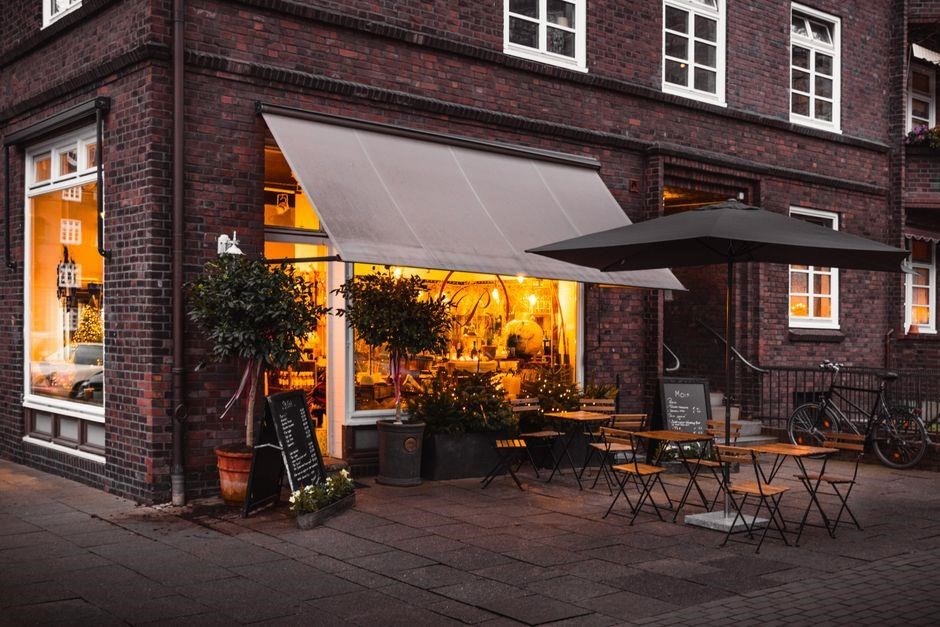
Reinforced aluminum frames, stainless‑steel hardware, and UV‑resistant canvas or polyester fabrics form the core of manual awnings. Durable joints, seals, and corrosion‑resistant fasteners ensure longevity, while composites reduce load on mounting structures!!.
Fabric Choices for Weather Resistance
When selecting a fabric for a retractable manual awning, durability and protection against the elements are paramount. The most common options are polyester, canvas, and vinyl‑coated fabrics, each offering distinct advantages. Polyester, especially 100‑denier or higher, is lightweight, highly UV‑resistant, and naturally resistant to mildew, making it ideal for hot, sunny climates. It can be treated with a silicone or polyurethane coating to enhance water repellency and reduce staining. Canvas, often made from cotton or a cotton‑polyester blend, provides a more traditional look and excellent breathability, but it requires regular maintenance such as oiling or waxing to prevent cracking and water damage. Vinyl‑coated fabrics combine the best of both worlds: a polyester base with a durable vinyl layer that resists tearing, mildew, and UV degradation while remaining easy to clean. This finish is particularly suitable for coastal or high‑humidity areas where salt spray and mold are concerns. In addition to the base material, manufacturers often incorporate a UV‑blocking layer that blocks up to 99 % of harmful rays, thereby extending the awning’s lifespan and reducing heat buildup inside the covered space. Some premium lines feature a “weather‑proof” laminate that adds a thin, transparent film to protect against rain, wind, and abrasion without compromising the fabric’s flexibility. When choosing a fabric, consider the local climate, exposure to direct sunlight, and the desired maintenance level; A higher denier count and a robust coating will typically command a higher price but offer greater longevity, especially in regions with extreme temperatures or heavy precipitation. Finally, many suppliers provide color‑fastening dyes that lock in hue even after prolonged sun exposure, ensuring the awning remains visually appealing for years. Regular inspections and seasonal cleaning further extend durability, especially in areas with heavy pollen or dust!
Frame and Hardware Options
Selecting the proper frame and hardware determines an awning’s durability and ease of use. Common frame materials are aluminum, steel, composite, and treated wood. Aluminum is lightweight, corrosion‑resistant, and inexpensive, making it ideal for most homes. Steel offers higher strength for larger spans but needs protective coatings to avoid rust. Composite frames, made from fiberglass or reinforced polymer, combine steel’s rigidity with aluminum’s lightness and resist weathering. Treated wood frames give a classic look but require regular maintenance against rot and insects.
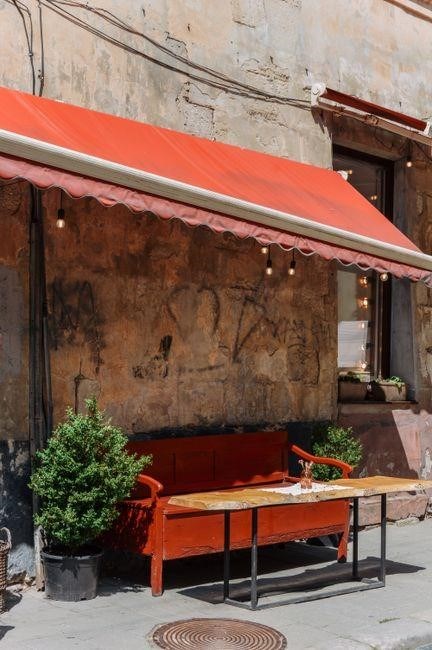
Hardware must match the frame and load. High‑grade hinges or pivot brackets made of stainless steel or anodized aluminum allow smooth movement and resist wear. Roller systems distribute the awning’s weight evenly, reducing strain on the hinges. Tension cables or counter‑weight systems balance the fabric, improving stability against wind. Manual pull‑cords and levers should be ergonomic and include a locking mechanism to hold the awning in place. For added security, a lockable latch or magnetic catch can prevent accidental opening during high winds. Mounting hardware—bolts, brackets, anchors—must be rated for the calculated load, including fabric weight, wind pressure, and potential snow. Proper installation keeps the frame rigid, hardware functional, and the awning reliable for years.
Fasteners like stainless steel screws or expansion bolts influence stability. Inspecting hardware for corrosion or loosening prevents failure. Many manufacturers offer modular systems for future upgrades without replacing the whole frame soon.
Design and Style Considerations
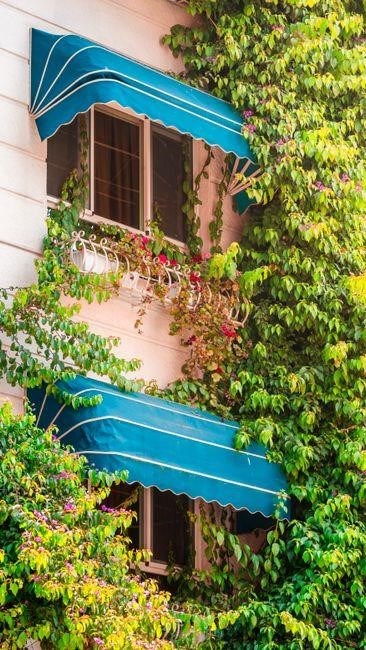
Neutral shades like charcoal or navy blend seamlessly, while bold patterns add flair. Frame options range from sleek aluminum to rustic wood, each reflecting style. Proper sizing ensures balance and flat fabric for optimal shade. Blends function with style for.
Aesthetic Integration with Architecture
Choosing a retractable manual awning requires aligning its visual language with the building’s style. Modern façades favor slim aluminum frames and matte black or silver fabrics that maintain clean lines, while historic homes benefit from timber frames finished in natural oak or distressed white, echoing original trim. Fabric color should complement roof material—slate‑colored canvas for slate roofs, deep green for foliage—creating a seamless transition. Low‑profile profiles keep bulk minimal, especially on narrow street fronts. Cantilever designs that extend beyond the window frame allow precise shade placement, preserving architectural rhythm. Color palettes must match context: neutrals for urban, earth tones for rural. Patterned fabrics can add character but must be balanced against scale; a bold pattern on a small awning can overwhelm. Hardware integration is critical: discreet pull‑cords or hidden levers preserve clean lines, while visible hardware can be styled to match trim. Smooth, reliable operation ensures the aesthetic is not marred by noise or awkwardness. By aligning frame material, fabric color, profile, and hardware, a retractable manual awning becomes an elegant extension of the architectural narrative, enhancing form and function without compromising visual integrity. Reversible fabrics allow homeowners to switch between light and dark shades, adapting the façade to changing weather conditions and aesthetic preferences. Seasonal color changes can be accommodated by selecting fabrics with UV‑stable dyes, ensuring the awning remains vibrant over time. Customizable trim options allow the awning to mirror existing window casings. Finally, the integration of subtle lighting—such as low‑profile LED strips along the frame—can enhance the awning’s presence during evening hours, providing both functional illumination and architectural interest., and!?
Color and Pattern Selection
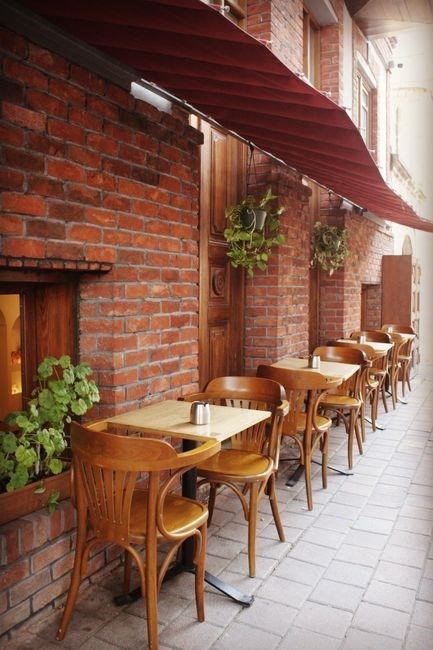
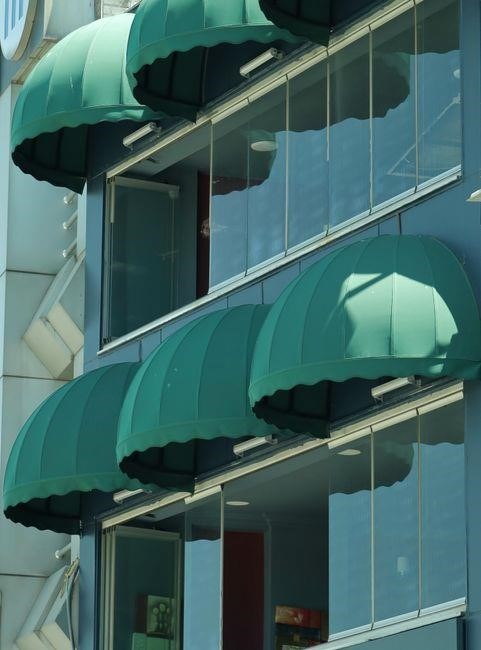
Choosing the right hue and design for a retractable manual awning is a blend of practicality and visual harmony. Fabric colors should reflect the surrounding environment: neutral tones—beige, gray, or taupe—blend seamlessly with stucco or brick façades, while bold shades—navy, emerald, or terracotta—create striking focal points on minimalist exteriors. Patterned textiles, such as subtle geometric prints or organic leaf motifs, add depth without overwhelming the structure; however, the scale of the pattern must match the awning’s dimensions—small, intricate designs suit narrow windows, whereas larger motifs work best on expansive porches. UV‑stable dyes are essential to preserve color fidelity under prolonged sun exposure; manufacturers now offer fade‑resistant options that maintain vibrancy for over a decade. Fabric texture also influences perception: matte finishes reduce glare, whereas satin or semi‑gloss surfaces reflect ambient light, enhancing daylighting inside the covered area. When selecting patterns, consider the building’s architectural rhythm; a repeating motif can echo window trim or rooflines, reinforcing cohesion. For historic homes, earth‑tone palettes with subdued patterns respect period aesthetics, while contemporary designs benefit from high‑contrast color blocks that accentuate clean lines. Custom color matching services allow homeowners to match the awning to existing paint or stone, ensuring a cohesive look. Additionally, reversible fabrics—dual‑sided with contrasting colors—provide flexibility, enabling seasonal or mood‑based changes without replacement. Finally, integrating subtle LED strip lighting along the frame can accentuate color choices at dusk, creating a dynamic visual statement that complements evening décor. The right combination of hue, pattern, and texture not only protects from the elements but also elevates the property’s curb appeal. Homeowners often choose colors that reflect personal style, while maintenance considerations—such as choosing fabrics that resist mildew and are easy to clean—ensure long‑term beauty. Seasonal color palettes can be rotated by swapping the fabric, allowing the awning to adapt to changing light and mood throughout the year.
Installation and Manual Operation Mechanics
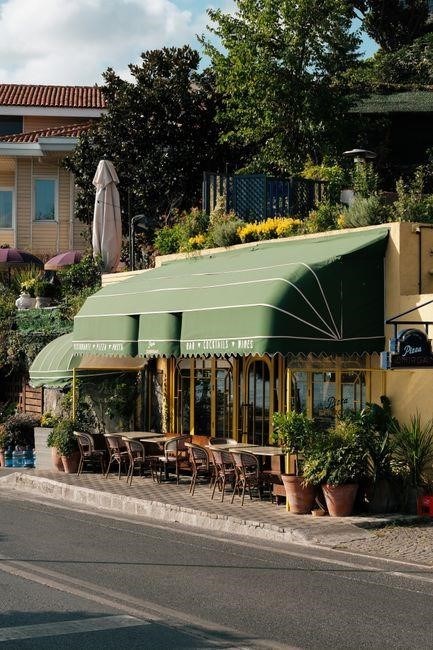
Installation of a manual retractable awning involves mounting a sturdy frame to the wall or roof, ensuring proper load calculations. The fabric is wound onto a tensioned roller, and a pull‑cord or lever system allows the user to extend or retract the awning manually, offering low‑maintenance control!!
Mounting Systems and Load Calculations
Retractable manual awnings rely on robust mounting systems that secure the frame to the building envelope. The choice of anchor depends on the load path and the structural capacity of the host wall. The mounting plate must be sized to distribute the load across a sufficient area, typically at least 2 inches square per 100 lb of total system weight. Load calculations begin with the static weight of the fabric,frame, and hardware. Wind load is the dominant dynamic factor; the International Building Code (IBC) prescribes a wind pressure of 0.7 psf for low‑rise structures in most climates, but local codes may require higher values. Applying the wind pressure to the projected area of the awning yields the horizontal force, which is then multiplied by a safety factor of 1.5 to 2.0. The resulting figure must be less than the shear capacity of the mounting hardware. For example, a 6 ft × 4 ft awning with a 50 lb frame exposed to 0.8 psf wind pressure generates 19.2 lb of horizontal force; after a safety factor of 1.6, the required shear capacity is 30.7 lb. Selecting brackets rated for at least this capacity ensures a secure installation. Additionally, the system should incorporate a secondary support, such as a cantilevered beam or a tension cable, to counterbalance the fabric’s weight when fully extended. Properly calculated and installed mounting systems not only guarantee safety but also extend the lifespan of the awning by preventing undue stress on the frame and hardware.
Manual Pull‑Cord and Lever Mechanisms
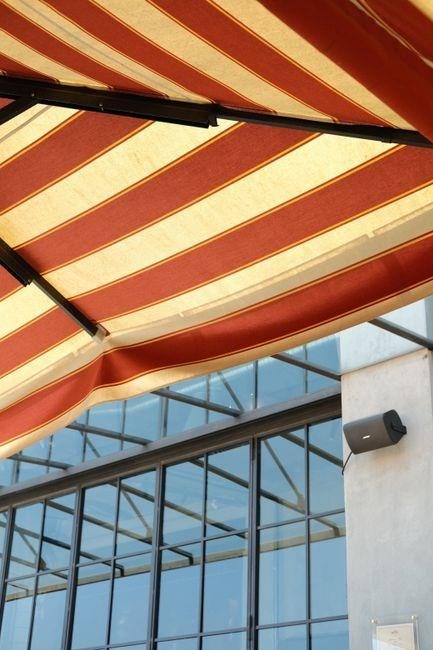
Manual retractable awnings rely on simple mechanical systems that translate user input into motion. The pull‑cord system consists of a durable nylon or polyester rope threaded through a series of pulleys attached to the awning frame. When the user pulls the cord, the pulleys rotate, sliding the frame along its track and extending the fabric. The tension is maintained by a spring or counterweight that returns the awning to its retracted position when the cord is released. Lever mechanisms, on the other hand, use a pivoted arm connected to the awning frame. The lever is typically mounted on the side of the frame or on the wall, and the user applies force to lift the arm, which in turn raises the awning. The lever’s mechanical advantage is determined by the ratio of the arm’s lengths; a longer arm provides greater ease of operation but requires more space. Both systems incorporate a locking feature—often a spring‑loaded pin or a friction lock—to hold the awning in place once extended. The choice between pull‑cord and lever depends on user preference, available space, and aesthetic considerations. Pull‑cord systems are compact and allow for discreet operation, while lever systems offer a more traditional look and can be easier for users with limited hand strength. Proper maintenance, such as lubricating pulleys and inspecting cords for fraying, ensures smooth operation and extends the life of the awning. In high‑wind regions, manufacturers often integrate a secondary tension system that automatically adjusts the pull‑cord tension as the awning is extended, preventing sudden jerks and reducing wear on the pulleys. Similarly, lever systems may feature a ratchet‑style lock that allows the user to set the awning at intermediate positions, providing customizable shade levels for different times of day. Both mechanisms are designed to be user‑friendly, requiring minimal force—typically less than 20 lb—to operate a standard 6 ft × 4 ft awning, making them suitable for households with elderly or disabled members. When installing, it is crucial to align the pulleys or lever pivot precisely with the frame’s track to avoid binding, and to secure the cord or lever to a stable anchor point to maintain consistent tension throughout the awning’s lifespan. Overall, manual pull‑cord and lever mechanisms combine simplicity, reliability, and cost‑effectiveness, making them a popular choice for homeowners seeking functional shade without the expense of motorized systems. The use of high‑strength, UV‑resistant materials for cords and levers ensures longevity, while the inclusion of a quick‑release feature allows for rapid retraction during sudden weather changes.
Market Trends and Economic Factors
The global market for retractable manual awnings is expanding, driven by rising demand for energy‑efficient shading solutions. Current estimates place the 2023 value at $7.3 bn, with a projected CAGR of 6.9% through 2033, reflecting growing consumer preference for cost‑effective, maintenance options .
Current Global Market Size and CAGR
The retractable manual awning segment has experienced steady growth, with the global market valued at approximately US$7.3 billion in 2023, up from US$6.0 billion in 2020. Forecasts indicate a compound annual growth rate of 6.9 % through 2033, driven by increasing residential and commercial demand for energy‑efficient shading solutions. Key drivers include rising awareness of solar‑shading benefits, growing construction activity in hot climates, and the affordability of manual systems compared to motorized alternatives. Regional analysis shows North America and Europe leading in adoption due to mature infrastructure and stringent building codes, while Asia‑Pacific is projected to deliver the highest CAGR, fueled by rapid urbanization and a surge in home‑building projects. Market segmentation by material—polyester, canvas, and vinyl—reveals that polyester awnings dominate the value share, owing to their superior UV resistance and low maintenance. The rise of eco‑friendly manufacturing practices and the integration of smart home features, even in manual systems, are expected to further accelerate market expansion. Competitive dynamics are shaped by a mix of established manufacturers and emerging players offering customizable designs, which cater to diverse architectural styles. Overall, the sector’s trajectory points toward a robust expansion, underscoring the strategic importance of innovation, cost‑efficiency, and sustainability in capturing market share. Modular kits enable quick deployment without extensive structural modifications. Financing options and government incentives for energy‑saving upgrades further stimulate market uptake. As climate concerns intensify, consumers increasingly prioritize shade solutions that reduce cooling loads, directly translating into long‑term cost savings. Enjoy. Thanks. Great savings. Now.
Cost–Benefit Analysis for Homeowners
For a typical 20‑foot by 12‑foot manual awning, the initial outlay ranges from US$1,200 to US$2,500, depending on fabric, frame material, and installation labor. When compared to a permanent roof extension or a motorized system, the cost differential is substantial—often 30–50% lower. The primary benefit is energy savings: by blocking direct summer sun, a well‑positioned awning can reduce indoor cooling loads by 10–15%, translating to an average annual electricity bill reduction of US$150–$250 in moderate climates. When the average annual savings is US$200, the payback period is roughly 6–7 years. Over a 10‑year horizon, this yields US$2,000–$2,500 in savings, effectively offsetting the initial purchase price. Additionally, the lifespan of a high‑quality manual awning exceeds 15 years with minimal maintenance; fabric replacement every 7–10 years and occasional cleaning keep costs below US$100 annually. Motorized units require batteries and higher labor costs, inflating expenses. From a resale perspective, properties equipped with functional awnings often command a premium of 2–5% in the secondary market, reflecting their perceived value for comfort and curb appeal. Finally, the environmental impact is favorable: reduced HVAC demand lowers greenhouse‑gas emissions, aligning with sustainability goals. In sum, the cost–benefit calculus favors manual awnings for homeowners seeking a low‑maintenance, energy‑efficient shading solution that delivers savings and enhances property value. Enjoy.Great savings.Now ThanksOK