What are Crochet Pattern PDFs?
Definition and Benefits: Crochet pattern PDFs are digital, downloadable files containing instructions for creating crochet projects, offering convenience and portability for crafters.
Why Use PDF Format for Crochet Patterns? PDFs ensure consistent formatting across devices, are easily printable, and allow for convenient storage of your growing pattern library.
Definition and Benefits
Crochet pattern PDFs represent a revolutionary shift in how crafters access and utilize project instructions. Essentially, these files are digital documents – typically in the Portable Document Format – meticulously crafted to guide you through the creation of beautiful, handmade items using yarn and a crochet hook. They encapsulate everything a traditional paper pattern would, but with added advantages.
The primary benefit lies in their accessibility. Instantly downloadable after purchase or found freely online, they eliminate shipping costs and waiting times. Furthermore, PDFs are universally readable across various devices – computers, tablets, and smartphones – allowing you to crochet on the go. Their format ensures consistent presentation, regardless of the device used, and they are easily printable for those who prefer a physical copy.
Beyond convenience, PDFs often include detailed stitch diagrams, clear instructions, and high-quality photographs, enhancing the crafting experience and minimizing errors. They are also environmentally friendly, reducing paper consumption, and offer a streamlined way to organize and store your ever-expanding crochet pattern collection.
Why Use PDF Format for Crochet Patterns?
PDFs excel as the preferred format for crochet patterns due to their inherent reliability and versatility. Unlike other digital formats, PDFs maintain consistent formatting across all operating systems and devices, ensuring the pattern appears as intended by the designer – crucial for accurate stitch counts and project outcomes.
A significant advantage is printability. Crocheters can easily print only the pages they need, saving paper and ink, or create a complete, bound pattern book. PDFs also offer excellent compression, resulting in relatively small file sizes, making them quick to download and easy to store.
Moreover, PDFs support features like hyperlinks, allowing for easy navigation within the pattern, and can embed high-resolution images for clear stitch diagrams. They are a secure format, protecting the designer’s work, and are widely supported by various software and online platforms, making them a universally accessible choice for both creators and crafters.
Where to Find Free Crochet Pattern PDFs
Discover abundant resources for free crochet patterns in PDF format online, including dedicated websites, vibrant crafting communities, and designer blogs offering downloadable projects.
A More Crafty Life – Free Pattern Resources
A More Crafty Life presents a fantastic collection of free crochet patterns readily available in PDF format. This website excels in providing accessible designs for crafters of all skill levels, from complete beginners to experienced artisans. You’ll discover a diverse range of projects, including cozy blankets, practical dishcloths, and charming accessories.
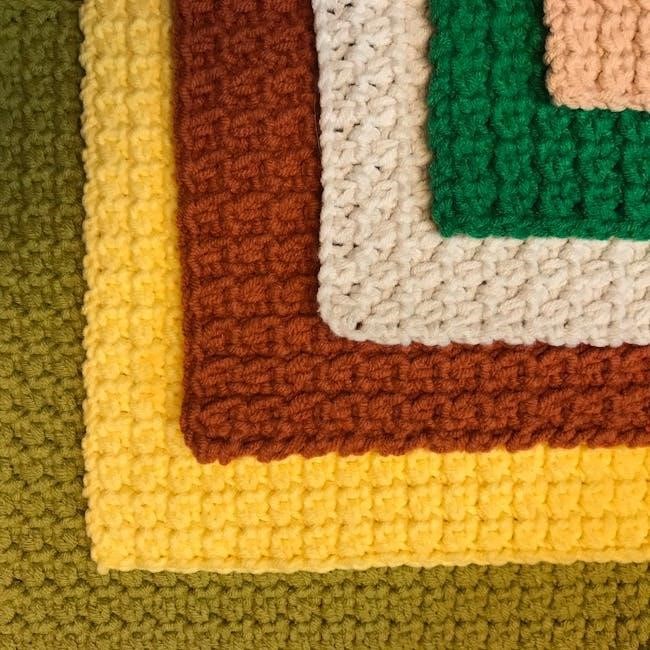
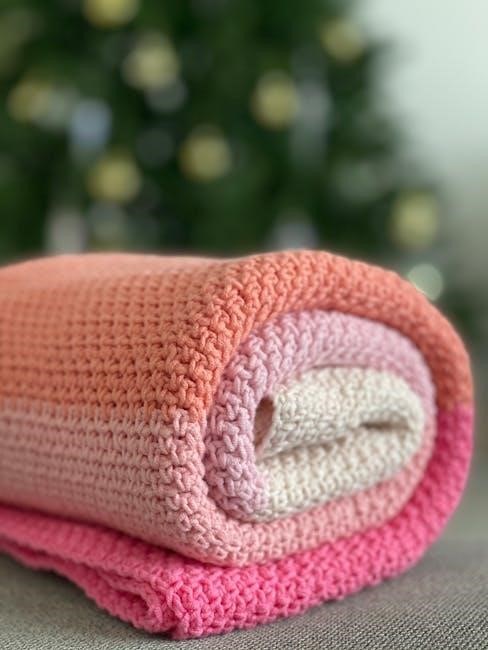
Notably, they offer an “easy blanket” pattern utilizing Lion Brand Mandala yarn, worked with two strands simultaneously for a luxuriously soft finish. The pattern is conveniently downloadable as a printable PDF. For everyday essentials, explore their cotton and bamboo yarn dishcloth pattern, featuring a unique variation of the sedge stitch.
Their selection includes patterns like the “Easy Soft Houndstooth Cotton Baby Blanket,” demonstrating their commitment to providing beautiful and practical crochet projects. Regularly updated, A More Crafty Life is a go-to destination for free, high-quality crochet PDFs.
Wee Woolly Wonderfuls – Amigurumi Focus
Wee Woolly Wonderfuls specializes in adorable amigurumi crochet patterns, all available as free PDF downloads. This website is a haven for those captivated by the art of creating small, stuffed crochet creatures. They cater to a wide spectrum of skill levels, offering patterns suitable for both beginners taking their first steps in amigurumi and seasoned crocheters seeking new challenges.
The patterns are meticulously designed and clearly presented in PDF format, ensuring ease of understanding and execution. You’ll find a delightful assortment of characters, animals, and whimsical creations, each with detailed instructions and helpful photographs.
Wee Woolly Wonderfuls prides itself on offering cute and unique amigurumi designs, making it an ideal resource for crafting personalized gifts or adding a touch of handmade charm to your collection. Their focus remains firmly on providing accessible and enjoyable crochet experiences.
Ravelry – A Large Crochet Community
Ravelry stands as a massive online community for knitters and crocheters, and a significant hub for discovering and accessing crochet pattern PDFs. It’s more than just a pattern database; it’s a social network where crafters connect, share projects, and offer support. You can find both free and paid crochet patterns in PDF format, meticulously categorized for easy browsing.
The platform allows users to rate and review patterns, providing valuable insights before you commit to a purchase or download. Ravelry’s robust search filters enable you to pinpoint patterns based on yarn weight, hook size, difficulty level, and numerous other criteria.
Ravelry also fosters a vibrant community forum where you can ask questions, seek advice, and participate in crochet-related discussions, making it an invaluable resource for crocheters of all levels.
Popular Crochet Pattern Categories in PDF Format
Popular Categories: Numerous crochet patterns are available as PDFs, including blankets, dishcloths, hats, and amigurumi, catering to diverse skill levels and project preferences.
Blanket Patterns
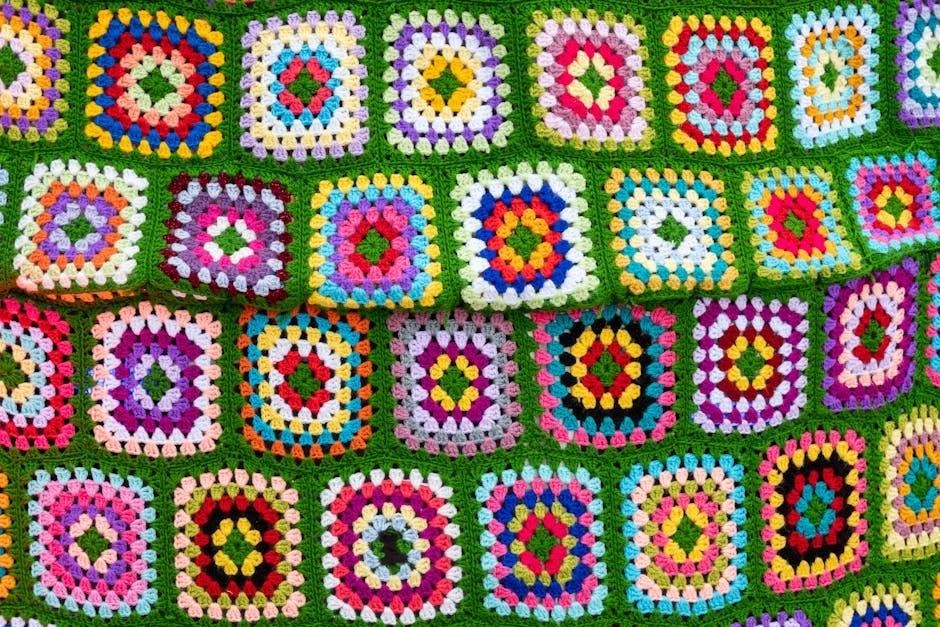
Variety and Accessibility: Crochet blanket patterns in PDF format represent a hugely popular category, offering a vast spectrum of designs from simple beginner-friendly projects to intricate, advanced masterpieces. These patterns frequently utilize techniques like granny squares, ripple stitches, and textured stitches, providing diverse options for crafters.
Free and Paid Options: Many websites, such as A More Crafty Life, provide free blanket patterns as downloadable PDFs, often featuring beautiful designs like the “Easy Soft Houndstooth Cotton Baby Blanket.” Paid patterns generally offer more complex designs, detailed instructions, and potentially video tutorials. The PDF format allows for easy printing and following along with the instructions, making the blanket-making process more streamlined.
Yarn Choices: Blanket patterns often specify yarn weights and types, like Lion Brand Mandala yarn used in some designs, allowing for customization based on personal preference and budget. The availability of PDF patterns makes it incredibly easy to start a new blanket project whenever inspiration strikes!
Dishcloth Patterns
Practical and Beginner-Friendly: Crochet dishcloth patterns available as PDFs are exceptionally popular, particularly for beginners learning fundamental crochet stitches. They’re quick, inexpensive projects utilizing readily available cotton or bamboo yarn, making them ideal for practicing new techniques without a significant investment.
Stitch Exploration: Many dishcloth patterns introduce variations on basic stitches, like the sedge stitch mentioned in resources like A More Crafty Life. This allows crocheters to expand their skillset and experiment with texture. The compact size of dishcloths makes them perfect for trying out new stitch patterns before committing to larger projects.
Eco-Friendly Alternative: Crochet dishcloths offer a sustainable, reusable alternative to disposable paper towels, contributing to a more eco-conscious lifestyle. PDF patterns provide clear, concise instructions for creating these practical and charming kitchen essentials.
Hat Patterns
Variety of Styles & Skill Levels: Crochet hat patterns in PDF format encompass a vast range of styles, from simple beanies for beginners to intricate designs for experienced crocheters. You’ll find patterns for all seasons, including warm winter hats, lightweight summer caps, and trendy slouchy beanies.
Detailed Instructions & Customization: PDF patterns typically include detailed stitch instructions, gauge information, and sizing charts to ensure a well-fitting hat. Many patterns also offer customization options, allowing you to adjust the color, yarn weight, or embellishments to create a unique piece.
Accessible & Affordable: The accessibility of crochet hat PDFs makes them a popular choice for crafters. Numerous free and paid patterns are available online, providing affordable options for expanding your hat-making repertoire and gifting handmade items.
Amigurumi Patterns
Adorable Creations in PDF Form: Amigurumi, the Japanese art of crocheting small, stuffed yarn creatures, thrives in the PDF pattern world. These patterns offer step-by-step instructions to create charming animals, dolls, and whimsical characters, perfect for gifts or collectibles.
Detailed Guidance for 3D Shapes: Amigurumi patterns often utilize specific techniques for creating seamless 3D shapes. PDF formats excel at visually demonstrating these techniques with clear diagrams and photos, guiding crocheters through increases, decreases, and color changes.
Beginner-Friendly to Complex Designs: Whether you’re new to amigurumi or a seasoned pro, PDF patterns cater to all skill levels. From simple, beginner-friendly designs to complex, highly detailed creations, there’s an amigurumi pattern for everyone to enjoy.
Understanding Crochet Pattern PDF Basics
Essential Elements: Crochet pattern PDFs rely on standardized abbreviations, charts, and terminology, requiring familiarity with US or UK terms for successful project completion.
Reading Crochet Charts
Decoding Visual Instructions: Crochet charts are a visual language representing stitch patterns, offering an alternative to written instructions. They utilize symbols to depict different stitches – single crochet, double crochet, treble crochet, and more – along with arrows indicating the direction of work. Understanding these symbols is crucial for accurately following the pattern.
Chart Components: Typically, a chart is read from right to left for odd rows and left to right for even rows. Each square on the chart represents a stitch. Key elements include the starting chain, repeat sections, and any special stitch placements. Charts often include a key explaining the meaning of each symbol used.
Practice and Resources: Don’t be intimidated! Start with simple charts and gradually work your way up to more complex designs. Numerous online resources and tutorials can help you decipher crochet charts and build your chart-reading skills. Mastering this skill unlocks a wider range of pattern possibilities.
Abbreviations Used in Crochet Patterns
Decoding the Language: Crochet patterns frequently employ abbreviations to concisely represent stitches and techniques. Common abbreviations include ‘sc’ for single crochet, ‘dc’ for double crochet, ‘ch’ for chain, ‘st’ for stitch, and ‘rep’ for repeat. Familiarizing yourself with these abbreviations is essential for understanding pattern instructions.
Pattern Keys are Crucial: Most PDF patterns include a key defining all abbreviations used within that specific pattern. Always refer to the pattern’s key first, as abbreviations can sometimes vary slightly between designers or regions. Ignoring this step can lead to errors in your finished project.
US vs. UK Differences: Be aware that US and UK crochet terminology differ. For example, a US ‘double crochet’ is a UK ‘treble crochet’. Many patterns will specify which terminology is used, or provide a conversion guide. Understanding these differences prevents confusion and ensures accurate stitch execution.
US vs. UK Crochet Terms
A Transatlantic Translation: A significant point of confusion for crocheters is the difference between US and UK crochet terminology. What is called a “single crochet” (sc) in the US is known as a “double crochet” (dc) in the UK. Similarly, a US “double crochet” is a UK “treble crochet” (tr).
Understanding the Discrepancy: This difference stems from the historical development of crochet in each region. Recognizing this is vital when using patterns from different countries. Many PDF patterns will explicitly state whether they use US or UK terms.
Conversion Charts are Helpful: Numerous online resources provide conversion charts to help you translate between the two systems. Always double-check the terminology used in a pattern before starting, to avoid making incorrect stitches and ruining your project. Careful attention to this detail ensures a successful outcome.
Working with Crochet Pattern PDFs
Downloading and Saving PDFs: Easily access crochet patterns by downloading them from websites and saving them to your device for offline viewing and project planning.
Printing Crochet Patterns: Print PDFs for convenient, tangible patterns, allowing you to mark progress and avoid screen strain during your crochet sessions.
Downloading and Saving PDFs
Locating Download Links: When browsing websites offering free or paid crochet patterns, carefully look for prominent download buttons or links labeled “PDF Download,” “Get Pattern,” or similar phrases. These are typically positioned near the pattern preview or description; Be cautious of misleading advertisements!
File Saving Best Practices: Upon clicking the download link, your browser will prompt you to save the PDF file. Choose a dedicated folder on your computer or device specifically for crochet patterns – this ensures easy organization. Name the file descriptively, including the pattern name and designer, for quick identification later. For example, “LionBrand_MandalaBlanket.pdf” is much more helpful than “Pattern1.pdf.”
Cloud Storage Options: Consider utilizing cloud storage services like Google Drive, Dropbox, or iCloud to back up your PDF pattern library. This provides an extra layer of security and allows access to your patterns from multiple devices. Regularly syncing your files to the cloud prevents data loss due to hardware failures.
Checking File Integrity: After downloading, briefly open the PDF to confirm it’s complete and readable. A corrupted file may display errors or missing pages. If issues arise, re-download the pattern or contact the designer for assistance.
Printing Crochet Patterns
Printer Settings for Accuracy: When printing crochet patterns from PDFs, ensure your printer settings are configured correctly for optimal results. Select “Actual Size” or “100%” scaling in the print dialog box to avoid distortion of charts and text. Avoid “Fit to Page” as this can alter the pattern’s dimensions.
Paper Choice and Quality: Opt for standard weight printer paper for everyday use. For patterns you’ll frequently reference, consider using heavier weight paper or cardstock for increased durability. A matte finish reduces glare, making charts easier to read under bright lighting.
Black and White vs. Color: While color printing enhances visual clarity, many patterns are designed to be readable in black and white. If ink conservation is a concern, select grayscale printing. Ensure charts still maintain sufficient contrast for easy interpretation.
Double-Sided Printing: To conserve paper, utilize double-sided printing if your printer supports it. Carefully review the PDF to ensure pages are printed in the correct order for seamless reading.
Using PDF Annotation Tools
Highlighting and Marking: PDF annotation tools, available in programs like Adobe Acrobat Reader (free version) or dedicated PDF editors, allow you to directly mark up your crochet patterns. Use highlighting to emphasize important instructions, stitch counts, or special techniques. Add text boxes for personal notes or modifications.
Tracking Progress: Utilize the drawing tools to check off rows or sections as you complete them, visually tracking your progress. This is particularly helpful for complex patterns with numerous repeats. Circle or underline crucial elements to ensure you don’t miss them.
Adding Stitch Markers: Simulate stitch markers by inserting small shapes or symbols onto the PDF chart, indicating key points for increases, decreases, or color changes. This provides a digital equivalent to physical stitch markers.
Saving Annotations: Remember to save your annotated PDF to preserve your changes. Most tools allow you to save a copy with your markings intact, leaving the original pattern untouched.
Advanced Crochet Pattern PDF Techniques
Modifying, Scaling & Creating: Explore advanced techniques like pattern adjustments, resizing for different yarn weights, and even designing your own variations from existing PDFs.
Modifying Patterns
Adapting to Your Style: Modifying crochet patterns from PDFs allows for personalized creativity and a perfect fit. Often, crafters adjust stitch counts to achieve a desired width or length, especially in blanket or garment projects.
Simple Adjustments: For minor changes, like adding or subtracting rows, recalculate stitch multiples carefully to maintain pattern integrity. When altering stitch patterns, consider how the modifications will affect the overall fabric drape and texture.
Complex Changes: More significant modifications, such as changing the entire construction method, require a deeper understanding of crochet principles. It’s helpful to swatch extensively to test gauge and ensure the final product matches your vision. Remember to document all changes made to the original pattern for future reference!
Scaling Patterns
Adjusting Size with PDFs: Scaling crochet patterns from PDFs involves proportionally increasing or decreasing the entire design. This is particularly useful for amigurumi or items where size is crucial, like hats or baby blankets. However, scaling requires careful attention to detail.
Understanding Gauge: Before scaling, understand the pattern’s gauge – stitches and rows per inch/cm. Altering the yarn weight or hook size will impact gauge, necessitating adjustments to maintain the intended proportions. Use a PDF editor to uniformly resize charts and text.
Mathematical Considerations: Calculate the scaling percentage accurately. For example, to double the size, use a 200% scale. Remember that scaling affects both width and height equally. Always swatch with the new yarn and hook to verify gauge before committing to the entire project.
Creating Your Own Patterns from PDFs
Deconstructing and Adapting: Experienced crocheters can use existing PDF patterns as inspiration to design their own variations. This involves carefully deconstructing the original instructions, understanding the stitch combinations, and adapting them to create something new.
Pattern Modification as Learning: Analyzing well-written patterns teaches valuable design principles. You can alter stitch patterns, change colorwork techniques, or modify the overall shape of a project. Documenting these changes is crucial for reproducibility.
Charting Your Designs: Consider creating crochet charts to visually represent your modifications. This aids clarity and allows others to follow your design. Remember to test your pattern thoroughly, noting any necessary adjustments before finalizing it for distribution or personal use.